


A new video game depicts America’s H-1B visa process as a maddening slot machine —...
The dubious justification behind the Pentagon’s potential plan to attack Iran’s water treatment plants-Breaking News, Latest Updates
The dubious justification behind the Pentagon’s potential plan to attack Iran’s water treatment plants
Based on recent updates, The dubious justification behind the Pentagon’s potential plan to attack Iran’s water treatment plants.
This situation reflects key trends in the world today.

Sign up for the daily Inside Washington email for exclusive US coverage and analysis sent to your inbox
Get our free Inside Washington email
Get our free Inside Washington email
The Pentagon is considering strikes on Iranian infrastructure that serves both civilian and military purposes, such as water desalination plants, according to a new report.
Some U.S. military officials say the “dual-use” of these assets would render them legitimate targets. However, other Pentagon brass has questioned the validity of this justification, according to Politico.
“The tension revolves around where to draw the line between military and civilian targets, such as water desalination plants, which could be considered targets because military forces also need water to drink,” the outlet reported.
This dual-use justification could help the Trump administration defend against war crimes allegations but legal experts say that it still risks breaching international law.
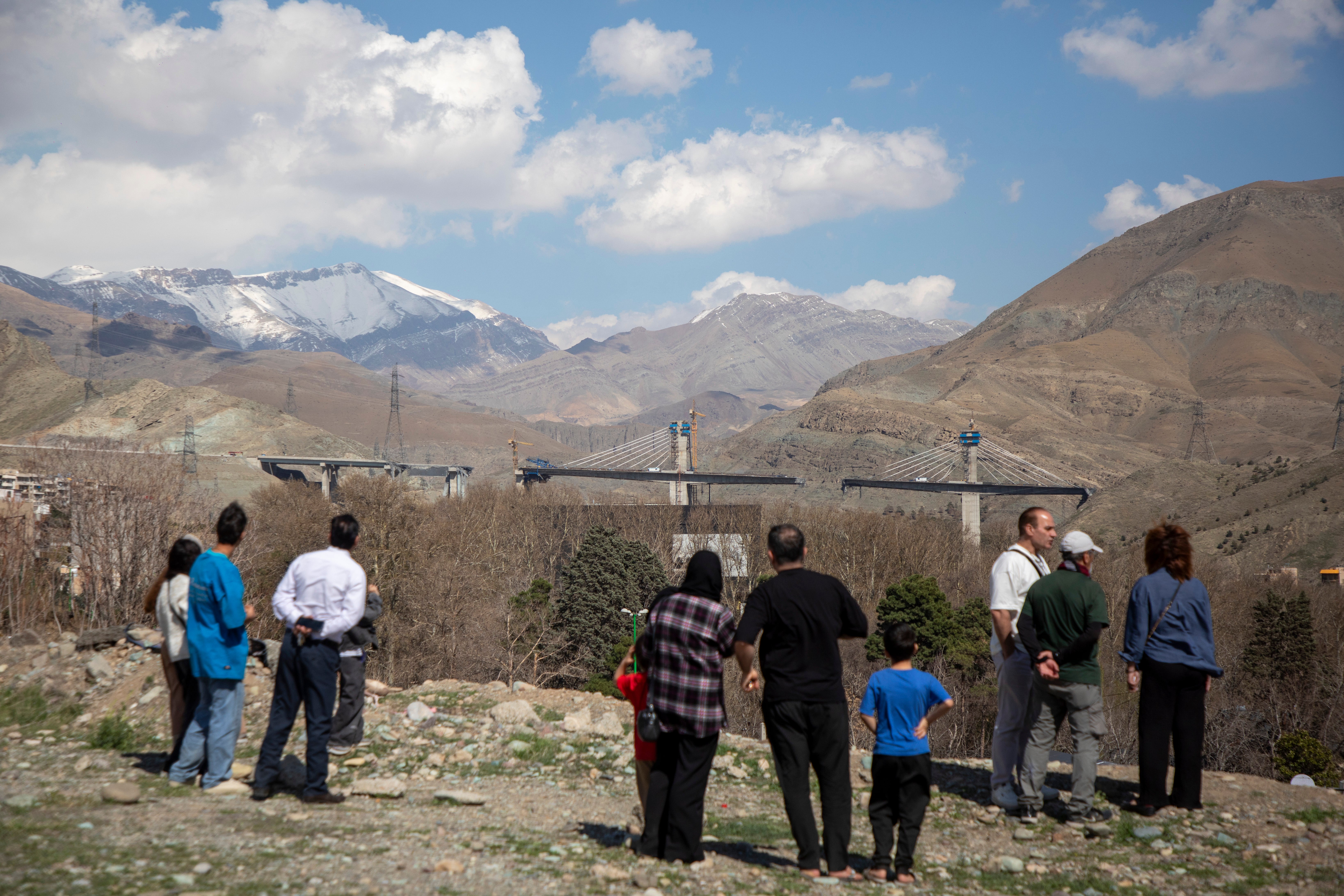
On Tuesday morning, President Donald Trump threatened that “a whole civilization will die tonight” if Iran’s leaders do not agree to a proposed peace deal by 8 p.m. (ET). On Monday, the president vowed to decimate “every bridge” and “every power plant” in Iran by midnight Tuesday.
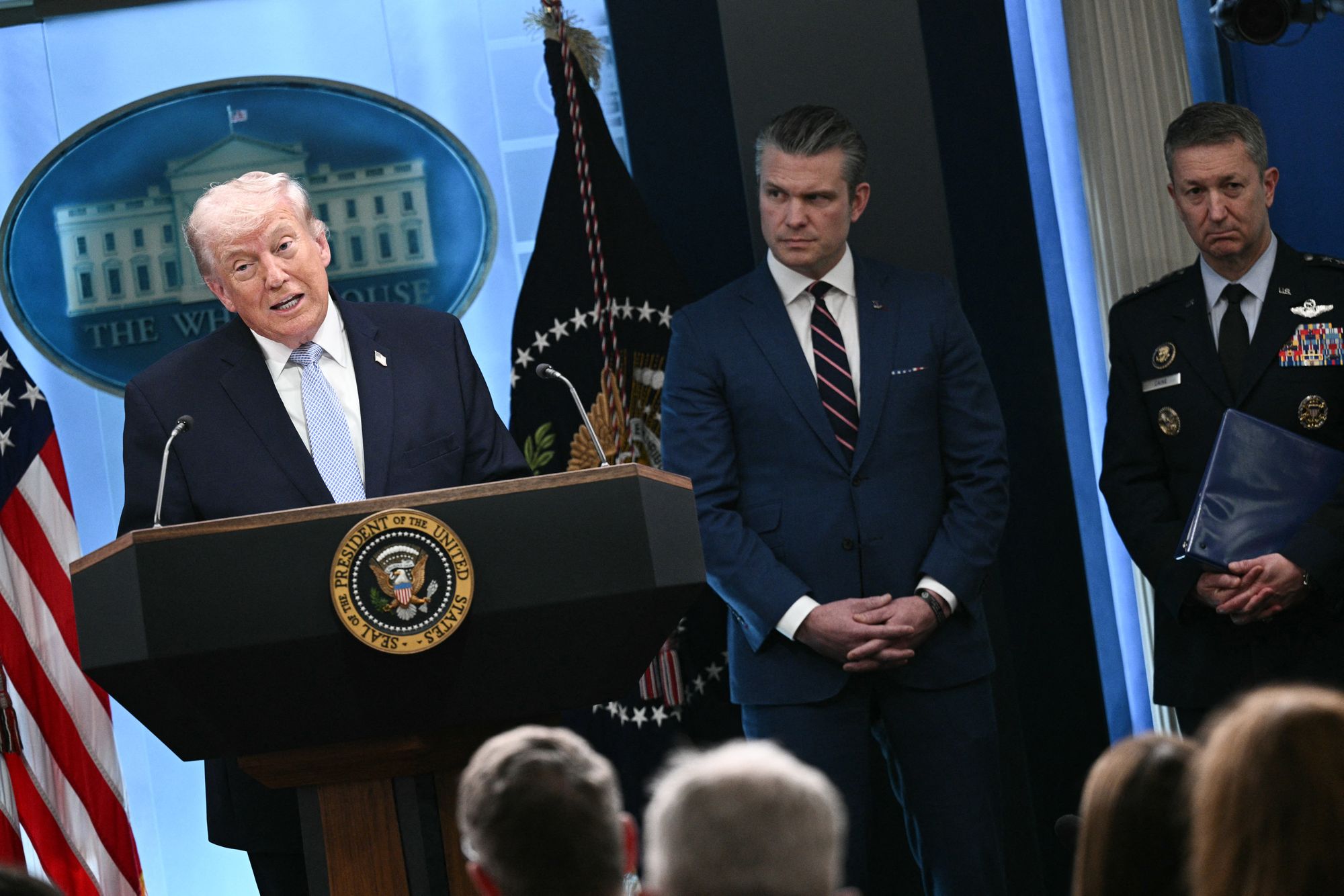
With just hours left until Trump’s deadline, the Pentagon is compiling a list of energy sites to target, which includes sites used by both soldiers and civilians, Politico reported, citing two defense officials.
The Independent has contacted the Pentagon for comment.
The politics/trump-iran-war-crimes-water-supply-b2948629.html”>Geneva Convention, which forms the cornerstone of international humanitarian law, affords discretion for strikes on sites used by both the military and civilians.
“Before targets get approved, they have to go under operational legal review,” Sean Timmons, a former Army Judge Advocate General, told Politico. “Some civilian infrastructure, if dually used by the military, can under the laws of war be a legitimate target. The concern that people have, that this will get excessive, is legitimate … but there are checks and balances.”
A White House official said the Pentagon’s role is to ensure the president has a range of options, which he does not necessarily need to follow through on.
“It’s the job of the Pentagon to make preparations in order to give the commander-in-chief maximum optionality,” White House Press Secretary Karoline Leavitt told the outlet.
“It does not mean the President has made a decision. The Iranian regime has until 8:00 p.m. tomorrow to make a deal with the United States. If they fail to do so, the president will send them back to the Stone Age, just as he promised.”
Experts warn striking civilian sites is ‘prohibited’
A number of experts, however, have cautioned that the bombardment of dual-use sites would run afoul of the law.
“Intentionally attacking civilian infrastructure such as power plants is generally prohibited,” Erika Guevara Rosas, Amnesty International’s senior director of research, advocacy, policy and campaigns, told The Guardian. “Even in the limited cases that they qualify as military targets, a party still cannot attack power plants if this may cause disproportionate harm to civilians.”
Retired Air Force Lt. Col. Rachel VanLandingham, who served as the head of international law at Central Command during the Iraq war, said Trump’s apocalyptic rhetoric raises major concerns.
“By saying we’re just going to bomb everything, bomb every single bridge, every single power plant that serves civilians, that is threatening indiscriminate attack,” she told PBS News. “And it is one of the most horrible war crimes there are because it brings us back, straight back down the slippery slope to total warfare.”
A spokesperson for U.N. Secretary General Antonio Guterres warned that destroying infrastructure used by civilians is forbidden under international law.
“Even if specific civilian infrastructure were to qualify as a military objective,” an attack would still be prohibited if it risks “excessive incidental civilian harm,” Stephane Dujarric told The Washington Post.
The past few decades have seen a “dangerous rise” in the targeting of dual-use sites in warfare, including in Syria, Ukraine and Gaza, which in some instances have led to legal repercussions, according to the Yale Law Journal. In 2024, the International Criminal Court issued arrest warrants for two Russian officials accused of ordering attacks on power infrastructure in Ukraine.
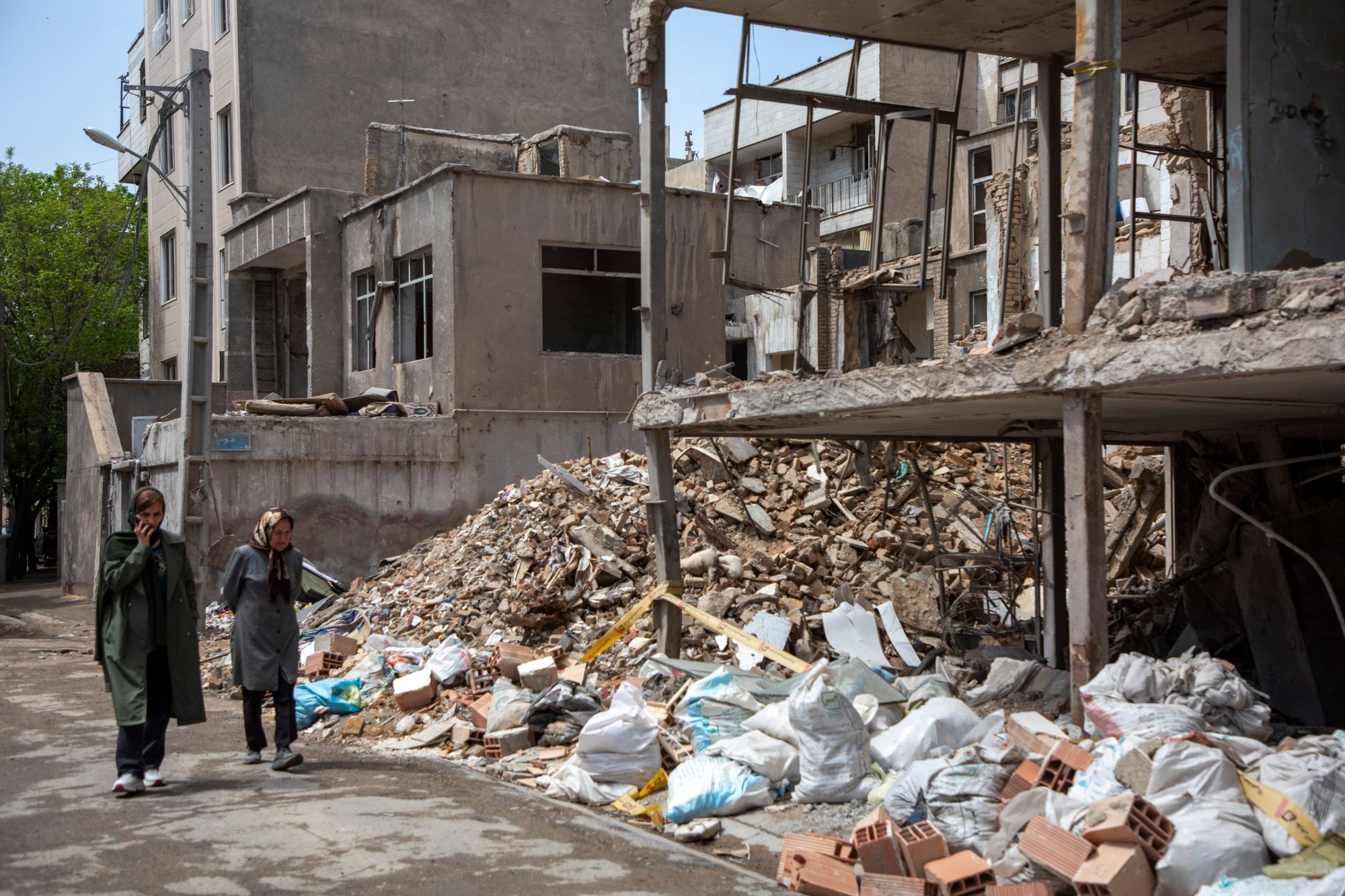
Since the Iran war broke out in late February, the U.S. has struck more than 13,000 targets inside the country, according to U.S. Central Command — and at least some civilian sites have been attacked.
A February 28 strike on a girl’s school killed at least 175 people, mostly children, according to Iranian officials. A preliminary Pentagon investigation determined the U.S. was responsible, according to The New York Times. Earlier this week, Trump celebrated the destruction of a major bridge in Iran, which Iranian officials said killed eight people and injured nearly 100 more.
On Monday, Trump brushed aside fears of hitting civilian power plants, insisting he’s “not worried” and accused Iran of violating the law.
“You know what’s a war crime? Having a nuclear weapon,” Trump said. “Allowing a sick country, with demented leadership, [to] have a nuclear weapon — that’s a war crime.”
A majority of Americans are opposed to the U.S. war with Iran, according to recent polls. The conflict has killed thousands of people and engulfed large swaths of the Middle East in violence. According to a Reuters poll late last month, 60 percent of Americans disapprove of the U.S. military’s strikes on Iran, while 35 percent approved.
Key takeaway
This update matters as it highlights ongoing developments in today’s world.
Follow the current events from around the world.
Related Posts
Why Iran looks like the real winner — RT world news Latest reports suggest, Why...

Australian fugitive Dezi Freeman accused of killing two police officers believed to have been shot...